Why Texas Roofs Need More Maintenance Than You Think
Learn why Texas roofs require extra maintenance due to harsh weather. Regular checks can help spot issues before costly repairs arise.
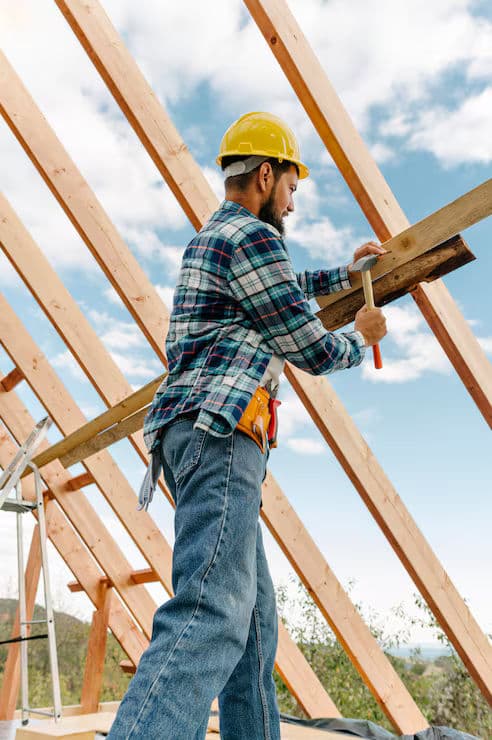
Your roof is one of the most important parts of your home, protecting your family and belongings from the elements. However, if you live in Texas, your roof faces unique challenges year-round. From intense summer heat and powerful UV rays to severe thunderstorms, hail, high winds, and hurricane season, Texas weather can take a serious toll on even the most durable roofing systems.
Many homeowners don't think about their roof until they notice a leak or missing shingles, but by then, the damage may already be extensive. Regular roof maintenance and inspections can help identify small issues before they become expensive repairs, saving you time, money, and stress.
1. Extreme Texas Heat Speeds Up Roof Wear
Texas summers are known for their scorching temperatures, often reaching well into the 90s and even exceeding 100°F. Constant exposure to intense sunlight and UV rays can cause roofing materials to deteriorate faster than in milder climates.
Over time, excessive heat can:
Cause shingles to crack, curl, or blister
Dry out roofing materials
Weaken protective sealants
Reduce the overall lifespan of your roof
Routine inspections can help catch heat-related damage before it worsens.
2. Storms Can Leave Behind Hidden Damage
Texas experiences frequent thunderstorms throughout the year, bringing heavy rain, strong winds, and hail. Even if your roof appears undamaged from the ground, storms can create hidden issues that may not become noticeable until months later.
Common storm-related roof damage includes:
Lifted or missing shingles
Damaged flashing around vents and chimneys
Small punctures from hail
Loose roofing materials
Water intrusion beneath shingles
A professional inspection after severe weather can help detect problems early and prevent costly repairs.
3. Hurricane Season Increases the Risk
For homeowners along the Texas Gulf Coast and throughout the Houston area, hurricane season brings additional concerns. High winds and flying debris can compromise your roof's structure and create openings where water can enter.
Preparing your roof before hurricane season—and inspecting it afterward—can help reduce the risk of significant storm damage and protect your home when severe weather strikes.
4. Heavy Rain Can Lead to Costly Water Damage
Texas storms often produce large amounts of rainfall in a short period of time. If your roof has damaged shingles, deteriorated flashing, or clogged gutters, water can quickly find its way inside.
Unchecked moisture can lead to:
Roof leaks
Mold and mildew growth
Damaged insulation
Ceiling stains
Interior drywall damage
Wood rot
Addressing small roofing issues early is far less expensive than repairing extensive water damage later.
5. Small Roofing Problems Rarely Stay Small
A single missing shingle or a loose piece of flashing may not seem like a major concern, but minor issues can quickly develop into larger structural problems if ignored.
Routine maintenance helps identify:
Missing or damaged shingles
Loose flashing
Aging sealants
Clogged gutters
Ventilation issues
Early signs of roof deterioration
By correcting these issues promptly, homeowners can often avoid more extensive repairs or premature roof replacement.
How Often Should Texas Homeowners Have Their Roof Inspected?
A professional roof inspection is recommended:
At least once each year
After severe hail or windstorms
Before and after hurricane season
If you notice leaks, water stains, or missing shingles
Before buying or selling a home
Regular inspections provide peace of mind and help extend the life of your roofing system.
Protect Your Home with Professional Roof Maintenance
Texas weather is unpredictable, but taking care of your roof doesn't have to be. Regular maintenance and timely repairs can help protect your investment, improve your home's safety, and prevent unexpected expenses.
If you're concerned about your roof or would like a professional inspection, E & E Roofing & Exteriors is here to help. Our experienced team provides honest assessments, quality workmanship, and dependable roofing solutions for homeowners throughout the Greater Houston area.
Call us today at (832) 774-0884 to schedule your roof inspection or request a free estimate.
Visit us online at www.eerooftx.com to learn more about our roofing services or to contact our team.