Why Two Houses on the Same Street Can Have Completely Different Roofing Problems
Explore why neighboring homes have varied roofing issues. Sun, trees, ventilation, and design all play roles in roofing differences.
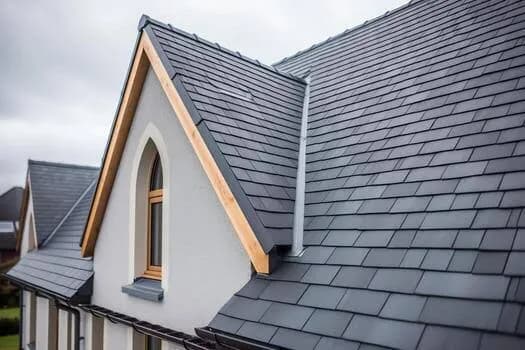
Not every section of a roof receives the same amount of sunlight.
Depending on a home's orientation, certain roof slopes may receive more direct sunlight throughout the day than others. In Texas, where prolonged sun exposure and high temperatures are common, this difference can influence how roofing materials age.
Consistent UV exposure and heat can contribute to the deterioration of roofing materials over time. Some sections may show signs of aging sooner than others, even when they belong to the same roof.
This is one reason a roof inspection should consider the entire roofing system rather than focusing on one visible section.
2. Trees Can Be Both Helpful and Harmful
A mature tree can make a property more comfortable by providing shade, but its proximity to a home can also create roofing concerns.
Overhanging branches can scrape against shingles, drop leaves and debris, and increase the amount of organic material collecting on the roof.
In shaded areas, moisture may also take longer to evaporate, potentially creating conditions that encourage algae and moss growth.
Meanwhile, a neighboring home with fewer surrounding trees may experience more direct sunlight but less debris accumulation.
Neither environment is automatically better. They simply create different maintenance needs.
3. Roof Ventilation Can Make a Bigger Difference Than You Think
Two homes can have nearly identical roofing materials but very different attic conditions.
Proper ventilation helps manage heat and moisture within the attic. When ventilation is inadequate or improperly balanced, excess heat and moisture can contribute to problems within the roofing system.
Homeowners may not notice ventilation issues immediately because many of the contributing factors are hidden from view.
An evaluation of attic ventilation, insulation, and airflow can help identify conditions that may be affecting the roof's performance.
4. Storm Exposure Isn't Equal for Every Home
Texas weather can be unpredictable, and even homes located on the same street may experience different levels of storm-related damage.
A property's exposure can depend on several factors, including:
The direction strong winds approach from.
Nearby trees and surrounding structures.
The shape and slope of the roof.
The condition and installation of existing roofing materials.
The location of vulnerable roof edges and penetrations.
Wind-driven rain and flying debris can affect certain sections of a roof more severely than others.
After a significant storm, visible damage on one property doesn't necessarily mean the neighboring property experienced the same conditions.
5. Small Differences in Roof Design Can Affect Performance
Even homes built within the same neighborhood can have differences in roof design.
A roof with multiple valleys, dormers, skylights, or other architectural features has different drainage patterns and more transition points than a simple roof design.
These areas require proper installation and flashing to help prevent water intrusion.
The number of roof penetrations, the placement of drainage areas, and the quality of previous repairs can all influence how a roof performs over time.
Sometimes, the difference between two roofs comes down to details that aren't immediately noticeable from the street.
6. Previous Repairs Can Change the Condition of a Roof
A roof's current condition isn't determined by its original installation alone.
Previous repairs, replacement materials, workmanship, and maintenance history can all influence its performance.
For example, one homeowner may have addressed a small flashing issue several years ago, while another may have allowed a similar problem to continue unnoticed.
Even roofs of the same age can have very different maintenance histories.
This is why evaluating a roof based solely on its age or appearance can be misleading.
What This Means for Your Home
Your neighbor's roof might look just like yours, but that doesn't necessarily mean it has the same condition, maintenance needs, or vulnerabilities.
Roofing systems are influenced by a combination of environmental conditions, construction details, installation quality, and ongoing maintenance.
Understanding these differences is important when deciding whether a roof needs repairs, additional evaluation, or replacement.
At E & E Roofing & Exteriors LLC, we understand that every property has its own characteristics. A roofing evaluation should take those individual factors into account rather than relying on assumptions based on neighboring homes.
Whether you're noticing signs of wear, have questions about previous storm damage, or simply want a better understanding of your roof's condition, having it professionally evaluated can help you make informed decisions.
Because when it comes to protecting your home, what works for your neighbor may not be what your roof needs.
Contact E & E Roofing & Exteriors LLC to learn more about roofing inspections, repairs, and replacement services. Call or text us at 832-774-0884 for a free roof inspection!